
Complete guide to developing a straight Business Setup Planning
It was never a cakewalk to start a new business which has its own hidden challenges not familiar to the starter or entrepreneur. We have worked out thoroughly to guide you by giving a step-by-step clear picture of business setup and planning. Being aware and prepared with this guide will definitely enable you to handle it with maturity while working on new business setup and planning. Once you follow these steps, you will be in a more comfortable position to make your business idea and plan into reality with success.
1- Insightful Business Ideas
Think widely about potential business brainstorming ideas. Work intensely to explore possibilities. Try to identify any possible gaps or obstacles you can solve easily.
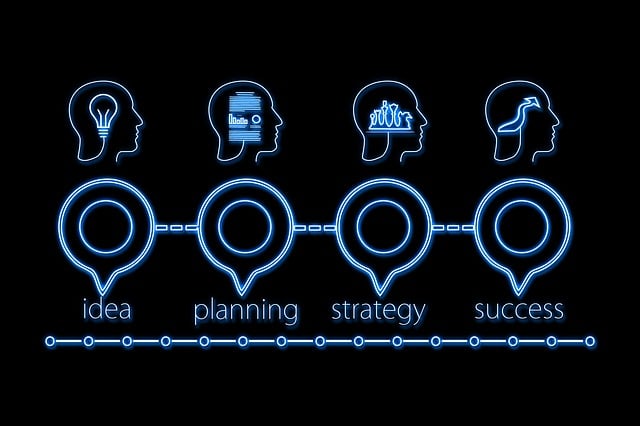
2-Consider your interest & skills
If your proposed business is aligned with your interests you are always motivated which in turn reflects on your passions, dedication, strengths, and experiences. Your skill and interest in that arena automatically make your work easy and untiring consequently making you yield more than normal.

3- Market Analysis & Research:
Preferable will be to validate your business ideas by understanding your potential customers, their needs, and competitors. There are multiple ways to do this like surveys, opinions of industry leaders, interviews, and discussions to conform.
4- Determine Value Proposition:
Why should customers choose you over competitors? Try to find an answer to this question which automatically makes your business unique and determine the value proposition for your business which must address a customer’s particular problem or provide a specific need.
5- Ascertain Feasibility
Ascertain feasibility of your business idea, whether it is practical and achievable. Analyze costing, market demand, etc. against your resources.
6- Understand Risks
Identify potential risks and maintain contingency plans including financial, market, and operational challenges, etc.


7- Niche/Expertise orientation
Always be more focused on your main or preferable expert zone (niche). This will pay you dividends in business as an expert and preference in that segment market.
8- Business Naming
An inspiring, clicking, and genuine business name strengthens your brand identity. Go for Trademark/domain name registration accordingly.
9- Visualize Your Brand
Create an effective brand identity with your business logo, tagline, color scheme, etc. Consistency in branding builds recognition and credibility.

10- Make Business Layout (DPR) Plan
Make an extensive Detailed Project Report with detailed business plan, including:
- Executive summary
- Business project cost & funding details
- Business details & description
- Market analysis & research report
- Operation planning details
- Organizational structure
- Products & Services offered
- Marketing and sales strategy
- Financial projections for at least five years
11- Be ready with Resources
Identify what you’ll need to get started, from equipment and technology to financial capital and human resources.
12- Identifying Financial requirements
Identify your business costing, operating expenses, and revenue expectations. Arrange funding through accumulated savings, loans, or investors as applicable.

13- Plan Your Operations
Analyze and plan your daily business activities on a daily basis including logistics, supply chain management, and staffing as applicable.

14- Highlight Your Target Market Segment
Define potential customers with their demographics, behaviors, and preferences. This makes you more focused on being effective in marketing.

15- Get your Business Registered
Registering your new business with appropriate authorities legalizes your business for compliance. Also, get relevant licenses and approvals. To name a few under both categories are IT, GST, ROS, ROC, MCA, FSSAI, BIS, PCB, IP, etc.
16- Financial System Setup
From day one, one must have a business bank account, accounting software, and bookkeeping for organizing and streamlining your finances for various unavoidable reasons.
17- Formulate Goals
Set clear, measurable, and time-bound goals & objectives to make your business getting real-time progress. This goal varies from business and person. Whatever they are; but it must be realistic within the purview of your capacity in every aspect.

18- Test Your Idea with pilot project
Run a pilot project or soft launch to gather feedback from a small group of customers. This will give you input and insight to improve your offerings.
19- Draft a Marketing Strategy
Draft a plan to reach your target audience. Opt online marketing tools under digital marketing segments like social media marketing, Google/Bing ads, email marketing in addition to conventional marketing strategies.
20- Regulate Compliance & legal requirements
Compliance and fulfilling legal requirements are the factors that are beyond to be ignored knowing or unknowingly. The significance of this factor is such that without complying this continuing business is almost impossible. This is the only way to keep concerned authorities & government satisfied.


21- Build business relationships
Cultivate connections with customers, suppliers, and partners. Strong relationships result in loyalty, growth, and expansion.
22- Quantify Success Metrics
Define key performance indicators (KPIs) like sales, website traffic, social media interaction, reviews, etc to measure progress.
23- Keep an Eye on Competition
Analyze & research your competitors. That can give you an insight into your strengths and weaknesses to address your business position; either way, this will help you develop your business in the right direction sooner.
24- Feedback & reviews
The best practice is to take every feedback or review seriously to improve customer satisfaction either from direct customers or associates. This approach will make your business more attractive to the customers than competitors.

25- Explore opportunities to grow
Finding new opportunities to grow your business is the best way to take your business to new heights in terms of comprehensive expansion & growth whether it is a new market segment, products/services, or reach location.

26- Business Networking
Being connected with your business counterparts, competitors, other industry professionals, or mentors. Most of the time you and your business could be benefitted from the insights provided by them.
This guideline is crucial for developing a strong business idea and a robust plan. Understand that starting a business is a significant journey, and you must remain patient, stay adaptable, and prioritize learning as you move forward. Take charge of your success!